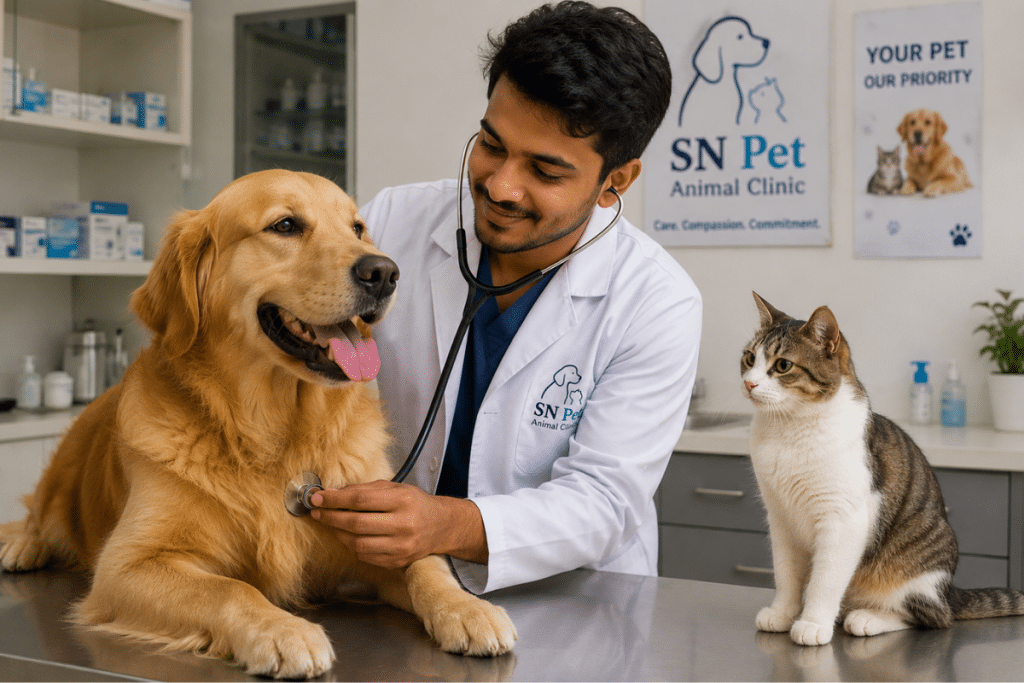
Does your dog or cat seem a little off lately? Maybe they are eating less, scratching more, or seem tired all the time. These small signs can sometimes point to a bigger health problem. And that is exactly why veterinary care matters so much.
This guide is for pet owners in Lalitpur and across the Kathmandu Valley who want to learn what vet care is. When to take their pet to the vet? and how to keep their furry friends healthy and happy for a long time.
Whether you have a playful puppy, a curious kitten, or an older pet, it is important to understand their health needs. Regular checkups, vaccinations, emergency treatment, and preventive care all help keep pets healthy. Knowing when to visit a vet can make a big difference in your pet’s health and happiness.
What Is Veterinary Care?
Veterinary(भेटेरिनरी) care means all the health services and medical attention that a trained vet doctor provides to animals. Just like humans go to a doctor for checkups, treatment, and medicines, pets need the same kind of professional attention.
A vet does many things, including:
- Checking if a pet is healthy during routine visits
- Giving vaccines to protect pets from diseases
- Finding out what is wrong when a pet is sick
- Doing surgery when needed
- Advising on what to feed your pet and how to keep them active
In short, vet care covers everything from keeping your pet healthy to treating them when they fall sick. Veterinary medicine focuses on the prevention, diagnosis, and treatment of diseases in animals. A good veterinary practice also helps keep animals safe and healthy. It guides pet owners in giving the best care to their dogs and cats throughout their lives.
Why Is Veterinary Care Important for Dogs and Cats?
Many pet owners in Lalitpur and across Nepal only visit a vet when something looks seriously wrong. But this approach can put your pet at risk. Here is why regular vet care matters:
- Diseases are caught early. A vet can find health problems before they become dangerous. Early treatment is always easier and less expensive.
- Vaccines protect pets. Diseases like rabies, distemper, and parvovirus can kill dogs and cats. A vaccine schedule from your vet keeps these diseases away.
- Pets cannot talk. Your cat or dog cannot tell you where it hurts. A vet knows how to check the body and find hidden problems.
- Longer, healthier lives. Pets that receive regular veterinary attention live longer and feel better every day.
- It saves money over time. Treating a disease early costs far less than treating a serious illness that has been ignored for months.
Responsible pet ownership always starts with finding a good vet.
What Services Does a Veterinary Clinic Provide?
A full-service vet clinic offers many types of care. Here is what you can expect from a reliable animal hospital like SN Pet Animal Clinic in Lalitpur.
Routine Health Checkups
A routine checkup means the vet examines your pet from head to tail. They check the eyes, ears, teeth, skin, weight, and body temperature. This helps the vet understand the overall health condition of your pet. These visits are usually short but very important. They help catch early signs of illness before they turn serious.
Pet Vaccinations
Vaccines teach your pet’s immune system to fight certain diseases. Without vaccines, even a simple outing to the park can put your dog or cat at risk. Core vaccines for dogs include rabies, distemper, and parvovirus. For cats, the FVRCP vaccine and the rabies vaccine are most important. Your vet will create a personal vaccination schedule based on your pet’s age and health.
Deworming and Parasite Prevention
Worms and parasites are very common in pets in Nepal, especially in the Kathmandu Valley. These tiny creatures live inside your pet’s body and slowly damage their health. Deworming medicines remove these worms. Flea and tick prevention treatments protect your pet’s skin and fur. Your vet will recommend how often to deworm your pet based on their lifestyle and age.
Diagnostic Testing and Health Screening
Sometimes a vet needs more information to understand what is happening inside your pet’s body. Diagnostic testing includes blood tests, urine tests, X-rays, and ultrasounds. These tools help the vet find infections, organ problems, or other hidden conditions. Early health screening is especially helpful for senior pets.
Modern veterinary care may use tests to check for infections, parasites, and other hidden health problems. In more serious cases, advanced imaging tests may also be used to find the exact cause of the problem. These methods help veterinarians find problems more accurately and choose the right treatment.
Pet Surgery and Medical Treatment
Some health problems need surgery. This includes fractures, tumors, spay and neuter procedures, and digestive blockages. A qualified vet clinic has trained doctors and proper equipment to carry out safe surgeries. After surgery, proper medication and follow-up care help the pet recover well.
Emergency Veterinary Care
Emergencies do not wait. If your pet is hit by a vehicle, swallows something toxic, or suddenly collapses, you need immediate help. A good vet clinic provides emergency animal care and responds quickly so that your pet gets the treatment it needs without delay.
In some emergencies, a veterinary technician may help the veterinarian care for your pet and assist with treatment. Quick action can improve the chances of recovery for pets that need urgent care.
Common Health Problems in Dogs and Cats That Require Veterinary Attention
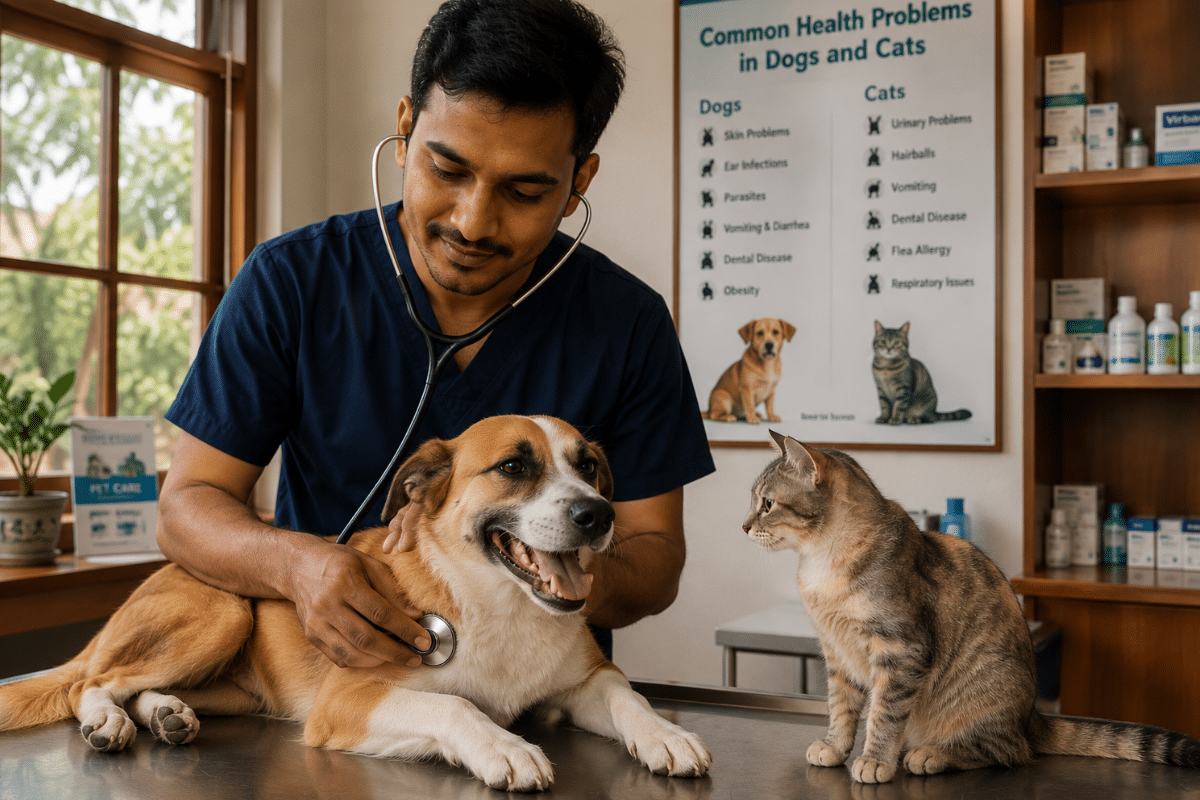
Knowing the signs of common health problems helps you act fast. Here are the most frequent issues that bring pets to a vet clinic in Lalitpur and Kathmandu Valley.
Digestive Problems
Vomiting, diarrhea, loss of appetite, or bloating are signs that something is wrong with your pet’s stomach or intestines. These can be caused by eating bad food, worms, or infections.
Skin Diseases and Allergies
Itching, redness, patchy fur, and sores on the skin are common in both dogs and cats. These are often caused by allergies, fungal infections, or mites. A vet can identify the cause and prescribe the right treatment.
Tick and Flea Infestations
Ticks and fleas are a big problem for pets in Nepal. They cause constant scratching, skin infections, and can even spread serious diseases like tick fever. Regular flea and tick prevention is part of good veterinary care.
Some parasites and germs can spread between people and animals. These are called zoonotic diseases. Regular checkups, good hygiene, and preventive care help lower the risk of infectious diseases in both pets and their families.
Respiratory Infections
Sneezing, coughing, a runny nose, and breathing problems can mean your pet has a respiratory infection. This is more common in kittens and puppies. Early vet treatment prevents these infections from turning into pneumonia.
Dental Diseases
Smelly breath, difficulty eating, or red gums are often signs of dental disease. Just like humans, pets need dental care too. A vet can clean your pet’s teeth and treat infections or tooth decay.
Obesity and Nutrition-Related Conditions
Overweight pets face serious risks like diabetes, joint pain, and heart disease. A vet can assess your pet’s weight, recommend the right diet, and help manage their nutrition to keep them fit.
Preventive Veterinary Care For Long-Term Pet Health
Preventive care means taking action before your pet gets sick. It is the smartest approach to pet healthcare. Think of it like this: fixing a small crack in the wall is much easier than rebuilding the whole wall after it falls.
Vaccination Programs
Stick to a regular vaccine schedule. Your vet will remind you when the next vaccine is due. Missing vaccines leaves your pet unprotected.
Regular Veterinary Checkups
Visit your vet at least once a year for an annual pet checkup. For older pets, twice a year is better. These visits help catch problems early.
Proper Nutrition and Feeding
Feed your pet good-quality food that matches their age, size, and breed. Poor pet nutrition is a major cause of long-term health problems.
Exercise and Weight Management
Active pets are healthier pets. Daily walks, playtime, and physical activity help maintain a healthy weight and keep your pet’s joints and heart in good condition.
Parasite Control and Prevention
Use vet-recommended deworming treatments and parasite control products regularly. Do not wait until you see worms or ticks. Prevention is always better than treatment.
When Should You Take Your Pet to a Veterinarian Immediately?
Some situations cannot wait for a scheduled appointment. Go to a vet or animal hospital right away if your pet shows any of these warning signs.
Warning Signs Every Pet Owner Should Know
- Your pet is not eating or drinking for more than 24 hours
- Excessive vomiting or diarrhea, especially with blood
- Difficulty breathing or unusual, loud breathing sounds
- Sudden collapse or loss of consciousness
- Swollen abdomen that came on quickly
- Your pet was hit by a vehicle or fell from a height
- Seizures or uncontrolled shaking
- Pale or yellow gums
If you notice any of these signs, reach your nearest vet clinic in Lalitpur or Kathmandu Valley without waiting. Time is critical in emergencies.
How Often Should Your Pet Visit a Veterinary Clinic?
The right frequency depends on your pet’s age and health condition.
Puppies and Kittens
Young animals need frequent vet visits during their first year of life. This is when they need their full series of vaccines, deworming treatments, and growth monitoring. Visits every 3 to 4 weeks during the first few months are common.
Adult Dogs and Cats
Healthy adult pets should visit the vet at least once a year. These yearly checkups include a full health check, vaccine boosters, parasite prevention, and tests to make sure your pet is healthy.
Senior Pets
Pets above the age of 7 to 8 years are considered senior. Their bodies change more quickly, and health problems appear more often. A visit every 6 months is recommended for senior pets to catch age-related conditions early.
Pet Vaccination Schedule by Age
Learn when puppies and kittens need their vaccines and why getting them on time helps keep them healthy as they grow.
Puppy/Dog Vaccination Schedule
Puppies need vaccines at specific ages to build strong immunity and stay protected from serious diseases.
| Puppy Age | Recommended Vaccinations |
| 6–8 weeks | First DHPP vaccine (Distemper, Hepatitis, Parvovirus, Parainfluenza) |
| 9–12 weeks | Second DHPP vaccine |
| 12–16 weeks | Rabies vaccine and DHPP booster |
| 16–20 weeks | Final puppy booster (if recommended by your veterinarian) |
| Every 1–3 years | Booster vaccinations as advised by your veterinarian |
Kitten/cat Vaccination Schedule
Kittens need vaccines at the right ages to protect them from common diseases and support healthy growth.
| Kitten Age | Recommended Vaccinations |
| 6–8 weeks | First FVRCP vaccine |
| 9–12 weeks | Second FVRCP vaccine |
| 12–16 weeks | Rabies vaccine and FVRCP booster |
| 16–20 weeks | Additional booster if recommended |
| Every 1–3 years | Booster vaccinations as advised by your veterinarian |
Note: Vaccination schedules may vary depending on your pet’s age, lifestyle, travel history, and overall health. Always talk to your veterinarian before following a vaccination schedule. They can recommend the right plan based on your pet’s age, health, and individual needs
Pet Healthcare Challenges in Lalitpur and Kathmandu Valley
Pet owners in Lalitpur and across the Kathmandu Valley face some real challenges:
- Many clinics are only open for a few hours a day, making it hard to get timely help.
- Some facilities lack modern diagnostic equipment, which delays proper diagnosis.
- Awareness about preventive veterinary care is still low among many pet owners in Nepal
- Finding a vet clinic that offers personalized attention for each pet, rather than treating them all the same way, is not always easy.
These gaps are exactly what SN Pet Animal Clinic in Lalitpur was built to address. The field of पशु चिकित्सा continues to grow in Nepal. Better veterinary education, improved veterinary services, and greater awareness about animal health are helping more pet owners get quality veterinary care for their pets across the country.
Why Preventive Veterinary Care Can Save You Money and Protect Your Pet
Think about this clearly. A vaccine for your dog might cost a small amount today. But if your dog catches parvovirus, the treatment can cost several times more and may still not save your pet’s life.
Preventive veterinary care is simply the more responsible and smarter financial choice. Regular vet visits, deworming, vaccines, and proper feeding cost less in the long run. They also reduce the emotional pain of watching a beloved pet suffer from a disease that could have been avoided.
How to Choose the Right Veterinary Clinic for Your Pet
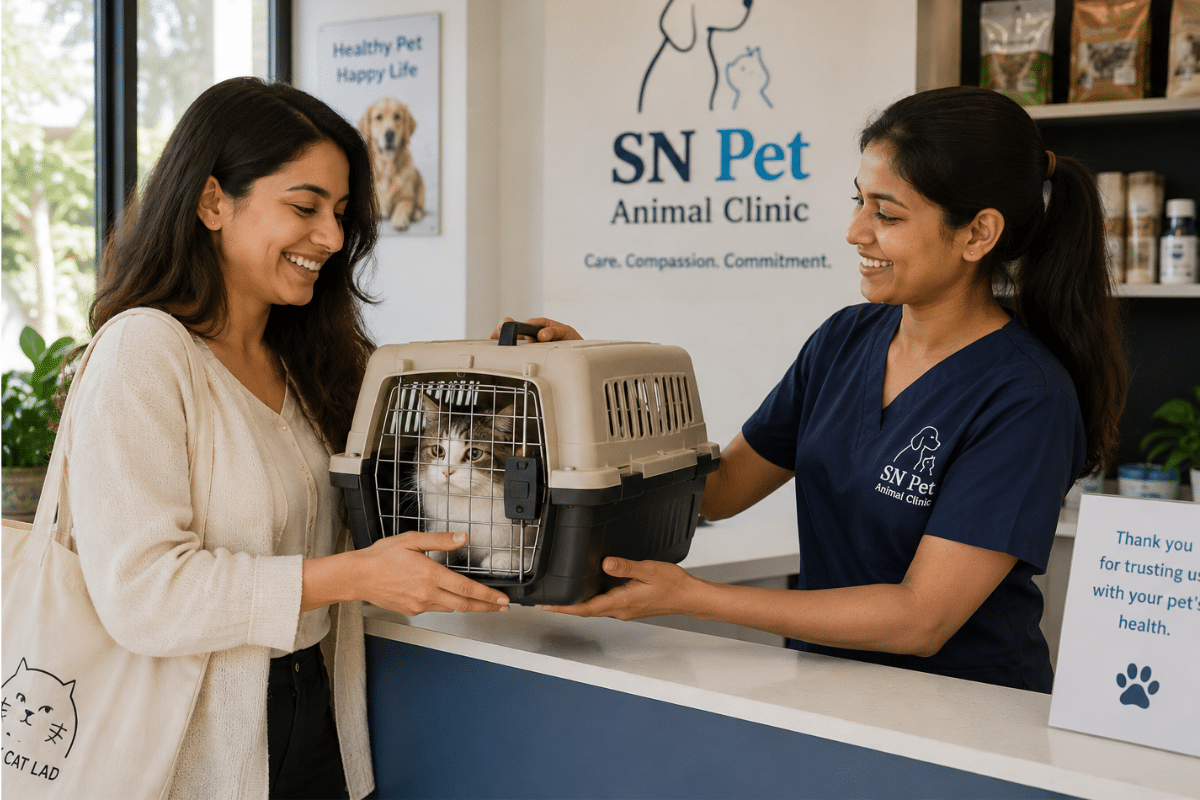
Choosing the right veterinary clinic is one of the most important decisions a pet owner can make. A reliable veterinary clinic not only treats illnesses but also plays a key role in preventive care, routine health monitoring, and supporting your pet’s long-term well-being.
Whether you have a dog, cat, or other companion animal, selecting a trusted veterinary provider can make a significant difference in your pet’s quality of life.
Comprehensive Veterinary Services
From routine checkups and vaccinations to diagnostic testing, surgery, and emergency care, SN Pet Animal Clinic covers the full range of veterinary services that your pet may need at any stage of life.
Experienced Veterinary Team
The clinic has an experienced veterinary team that treats each patient with genuine care and medical expertise. Every animal is given proper attention and a treatment plan suited to their specific condition.
Personalized Pet Care
Unlike many animal hospitals that follow a one-size-fits-all approach, SN Pet Animal Clinic focuses on understanding each pet individually. Their team takes time to listen to pet owners, assess the animal carefully, and recommend the best course of action.
Convenient Location in Imadol, Lalitpur
Located at Krishna Mandir Road, near Pipal Bot, Imadol, Lalitpur, the clinic is easy to reach for pet owners across Lalitpur and the broader Kathmandu Valley. Whether it is a scheduled checkup or an urgent situation, getting here is simple.
Good veterinary care also supports One Health, a concept that recognizes the connection between human and animal health and the environment. By preventing diseases in pets, veterinarians help protect both animals and people.
Additional Pet Care Services
Here are some of our additional services:
Pet Grooming
Pet Adoption
Pet Boarding
Pet Breeding
Pet Cemetery & Memorial Services
Healthy Meals
Final Thought
Good veterinary care helps keep your pet healthy. Regular checkups, vaccinations, and preventive care can help find problems early and help your pet live a longer, happier life.
Many pets go to the vet only after they become very sick. Problems like skin infections, dental disease, parasites, and stomach problems are often easier to treat when found early. This is why regular vet visits and preventive veterinary care are so important.
If you’re looking for trusted veterinary care in Lalitpur, SN Pet Animal Clinic is here to help. Whether your pet needs a health checkup, vaccination, deworming, treatment, or professional veterinary advice, our experienced team is committed to providing compassionate and reliable care.
Need a health checkup, vaccination, deworming service, or professional veterinary advice for your pet? Schedule a visit with SN Pet Animal Clinic and give your pet the expert care they deserve.
Contact SN Pet Animal Clinic
Phone: 9765003850,9803989123, 01-5201188
Email: snpetanimalclinic@gmail.com
Address: Imadol Krishna Mandir Rd, Police Chowki Pipal Bot, Lalitpur 44700, Nepal
Frequently Asked Questions (FAQs)
Q: What is veterinary care?
A: Veterinary care is the medical care that a veterinary doctor gives to animals. It includes checkups, vaccinations, deworming, surgery, emergency care, and other treatments to keep pets healthy.
Q: Why is veterinary care important for pets?
A: Pets cannot tell us when they feel sick or hurt. Regular veterinary care helps find health problems early and keeps pets protected with vaccines and preventive treatments.
Q: How often should pets visit a veterinarian?
A: Puppies and kittens need veterinary visits every few weeks during their first year. Adult pets should have a checkup once a year, while senior pets should visit a veterinarian every 6 months.
Q: What vaccinations do dogs and cats need?
A: Dogs need important vaccines such as rabies, distemper, and parvovirus. Cats need the FVRCP vaccine and rabies vaccine, and the schedule depends on their age and health.
Q: What are the signs that my pet needs veterinary attention?
A: Signs include loss of appetite, vomiting, trouble breathing, unusual weight changes, constant scratching, pale gums, or sudden behavior changes. If you notice these signs, visit a veterinary clinic as soon as possible.
Q: Can regular veterinary visits help prevent serious diseases?
A: Yes. Regular veterinary visits help find diseases early before they become serious. Vaccines and parasite prevention also help protect pets from dangerous health problems.
Q: How can I find a trusted veterinary clinic in Lalitpur?
A: Look for a veterinary clinic with qualified veterinary doctors, modern facilities, and complete veterinary services. SN Pet Animal Clinic in Imadol, Lalitpur, provides professional pet healthcare and trusted veterinary care.
Q: What services does a veterinary clinic provide?
A: A veterinary clinic can provide checkups, vaccinations, deworming, diagnostic testing, pet surgery, dental care, nutritional advice, and emergency animal care. Services may vary depending on the clinic.
Q: What are common pet health problems in Nepal?
A: Common pet health problems in Nepal include tick and flea infestations, digestive issues, skin diseases, respiratory infections, dental problems, and obesity. Many of these problems can be prevented with regular veterinary care.
Q: How can preventive veterinary care improve pet health?
A: Preventive veterinary care helps stop diseases before they start. Vaccinations, deworming, parasite control, and health screenings help keep pets healthy and detect problems early.
Q: When does my pet need a blood test?
A: Pets may need blood tests during routine health screenings, before surgery, or when showing signs such as vomiting, weight loss, weakness, or loss of appetite. At SN Pet Animal Clinic in Lalitpur, blood testing helps veterinarians diagnose health problems early and recommend appropriate treatment.
Q: When should I take my pregnant pet to a veterinarian during labour?
A: Contact a veterinarian immediately if your pet has been straining for more than 30 minutes without delivering a baby, has prolonged labour, or shows signs of distress. SN Pet Animal Clinic, Lalitpur, provides professional guidance and emergency support for pets experiencing labour complications.